

Bunch riding · Workshop notes
The bunch is moving at a good pace, as is the conversation. The wheels ahead are holding a clean line. Then comes the creak.
It repeats with every pedal stroke. Everyone can hear it; no one is quite sure which bicycle is responsible. It may prove harmless, perhaps it's irritating. More importantly, it may also be the first indication that something needs attention.
A good bunch ride relies on small acts of trust. Riders hold their line, call hazards, regulate their pace and expect the bicycles around them to behave consistently. When one rider brakes unexpectedly, loses drive under pressure or suffers a tyre failure, there is very little room for anyone else to improvise.
This is why regular maintenance is about more than silencing an embarrassing noise. It helps identify visible wear, restore consistent operation and reduce avoidable uncertainty before the roll-out. Three areas deserve particular attention: braking, shifting and the small patches of rubber connecting you to the road.
In a bunch, the condition of one bicycle can matter to every rider around it.
Control
Braking that responds consistently
The first consideration is the one nobody wants to test unexpectedly. Braking in a bunch is usually subtle: small, measured changes that preserve space and pace. That makes consistency particularly important. The bicycle should respond in a familiar way each time pressure is applied at the lever.
Brake pads wear. Cables can stretch or fray, while hydraulic systems may develop concerns of their own. Contamination, glazing, rotor condition and the wear of a rim-braking surface can also influence braking performance.
A lever pulling closer to the handlebar, reduced braking force, rubbing, vibration, squealing or a change in how the front and rear brakes respond.
Any meaningful change deserves assessment before the next fast descent or crowded group ride. Worn pads should also be addressed before their backing material begins to damage a rotor or rim braking surface.

Rhythm
Shifting that remains precise under load
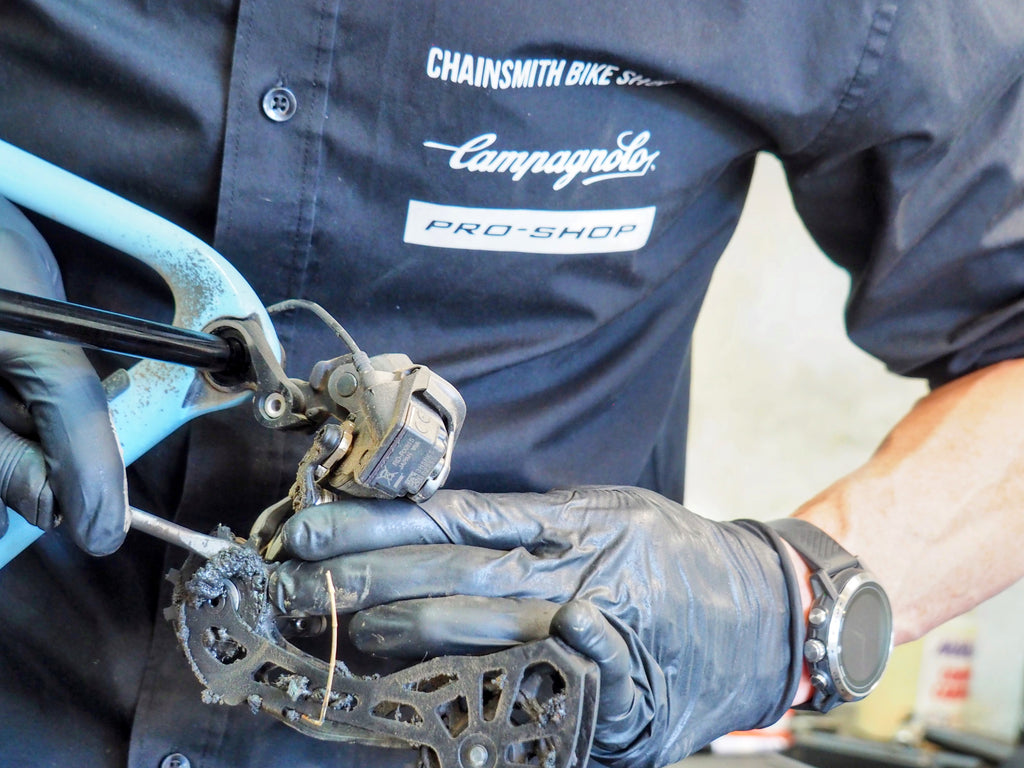
Once the bunch accelerates or the road rises, rhythm matters. Reliable shifting helps a rider hold cadence and line without an unexpected interruption. Wear or adjustment concerns involving the chain, cassette, chainrings, pulleys, cables, derailleurs or electronic system can lead to hesitant changes, skipping or chain drop.
A shifting concern is not automatically dangerous, and a dropped chain can have several causes. The risk increases when it occurs while accelerating, climbing out of the saddle or responding to a change of pace. A sudden loss of drive may cause an equally sudden change in momentum.
Slow or noisy changes, repeated hesitation in the same gear, skipping under pressure, unexpected movement across the cassette or a chain that has begun to drop.
A clean drivetrain also makes wear easier to assess. Heavy contamination can disguise component condition while accelerating wear across the chain and the parts with which it engages.
Contact
Tyres ready for the road ahead
Then there are the only parts of the bicycle touching the road. Tyres do a remarkable amount of work through two very small contact patches. Their suitability depends on more than visible tread: pressure, casing condition, cuts, embedded debris, sidewall damage, age and the integrity of the bead all deserve attention.
Road tyres can appear relatively smooth by design, so the absence of pronounced tread is not itself evidence that replacement is due. Look instead for damage, flattening through the centre, cracking, exposed casing, repeated punctures or a section that no longer sits normally.
Cuts that deepen or spread, abrasions to the sidewall, cracking, exposed threads, a bulge or deformation, recurring pressure loss, or damage following a hard impact.
A client once brought us his bicycle after an incident in which he lost control and brought down two nearby riders. He reported feeling the tyre sidewall fail immediately beforehand, and the tyre's condition afterwards supported that account. It was a sobering reminder that, in a bunch, a mechanical problem affecting one bicycle can quickly involve several riders.

Beyond the obvious
The systems that shape how the bicycle feels
Not every concern announces itself with an obvious noise or a failed gear change. Beyond the three essentials, other systems influence stability, steering and how freely the bicycle moves.
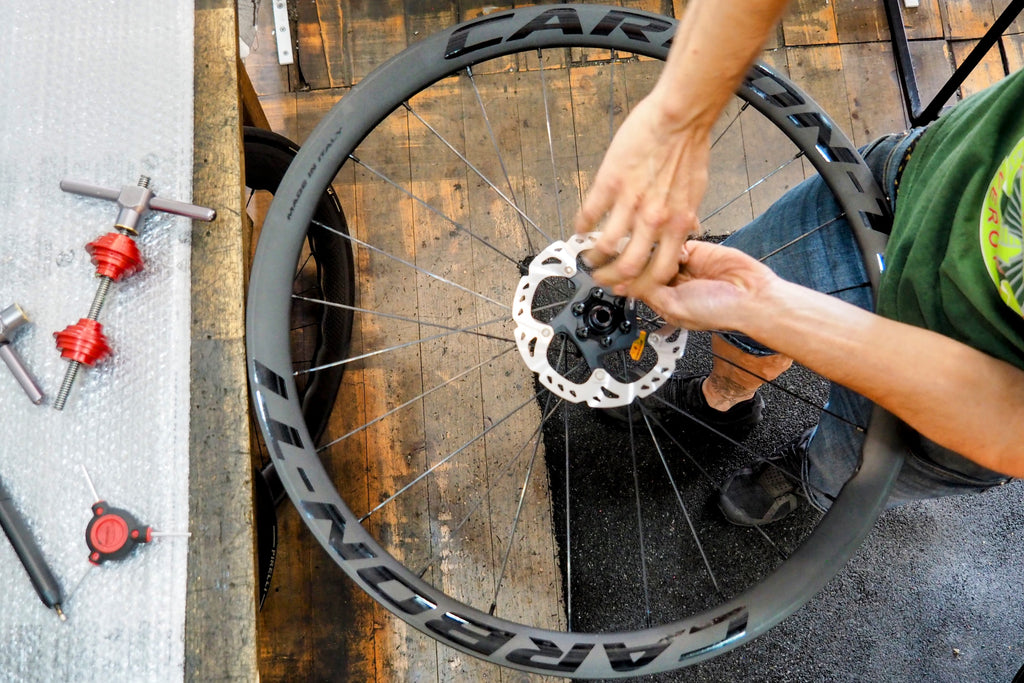
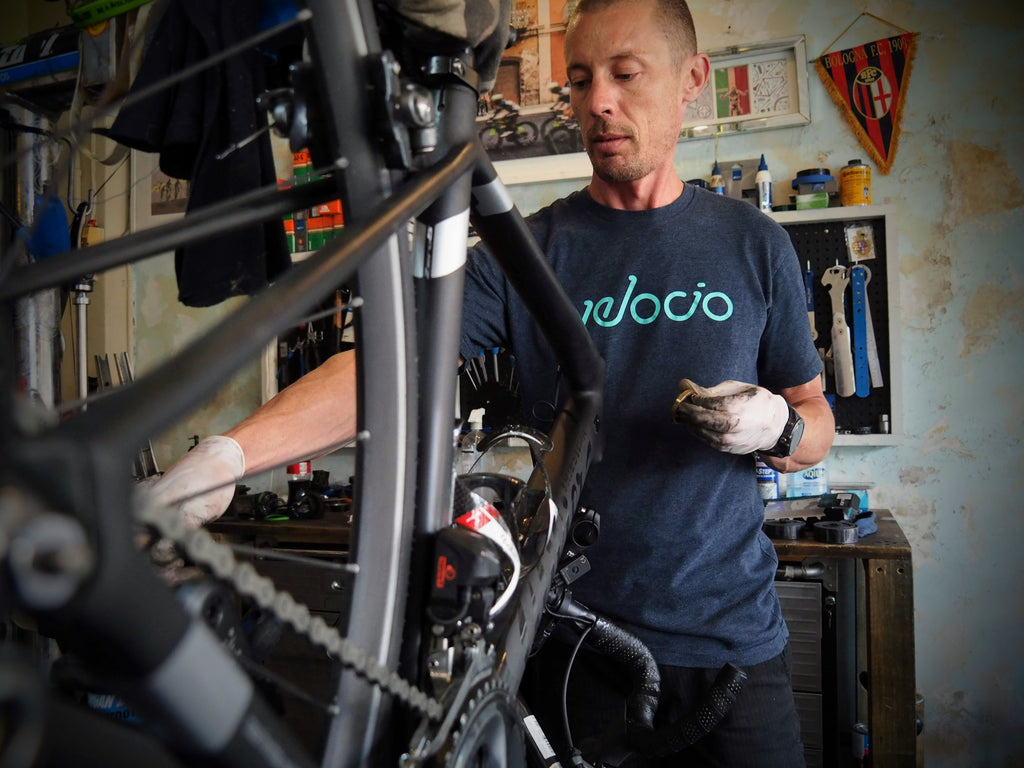

A creak is particularly deceptive. Sound travels through a frame, and the component that appears responsible may not be the source. Pedals, cleats, chainring bolts, the saddle assembly, headset and other interfaces can all contribute. Methodical assessment is more useful than replacing the part with the loudest reputation.
Before meeting the bunch
A brief check belongs to the rider
Most riders will check a pocket for food and glance at the weather before leaving. The bicycle deserves its own brief moment. A workshop service does not replace the simple observations made before each ride, so take a moment to check:
- Both brakes engage consistently
- Tyres are appropriately inflated
- No fresh cuts, bulges or casing damage are visible
- Wheels are secure and rotate normally
- The chain and gears respond as expected
- Nothing feels loose at the front end or saddle
- There is no new sound that warrants investigation
- Recent impact or transport damage has been considered
This is not a complete mechanical inspection. It is simply a useful pause between preparing to ride and joining the road.
Workshop attention
When the bicycle needs more than a pre-ride check
If you notice a change in braking, shifting, handling or tyre condition, arrange an assessment before the next demanding ride.
Chainsmith's Core Service begins at $295 and provides considered between-service maintenance, routine adjustment and an overall mechanical safety assessment.
The Premium Performance Service is $395 and provides more comprehensive annual attention. It includes detailed drivetrain care and the removal, assessment and regreasing of serviceable headset, bottom-bracket and wheel-hub bearings. Replacement bearings, parts and further repairs are quoted separately before proceeding.
The aim is not to promise a bicycle without risk. It is to understand its current condition, address identifiable concerns and return it prepared for the way you intend to ride.
Chainsmith Workshop · Surry Hills
Prepare the bicycle before the roll-out.
Review the current workshop services and choose the level of attention that most closely reflects your bicycle's condition.
View services and book

